
Abandoned Pantheons
Ashes Over the Altar
There are places where the earth behaves like a wound rather than a surface. It does not crack — it opens. It does not crumble — it breathes. And you immediately understand: this is not just geology, it is a memory that refuses to be forgotten.
You stand at the edge of the chasm, and the air becomes thicker, as if it has already been used before you — for a scream, for a prayer, for something that was never written down in the texts. Below — darkness. Not poetic, not symbolic. Real. The kind in which light does not disappear, but seems to refuse to exist.
This is Cennet ve Cehennem. Heaven and Hell. The name sounds too neat for what is actually happening here. As if someone tried to classify a system failure and called it a “landscape feature.”
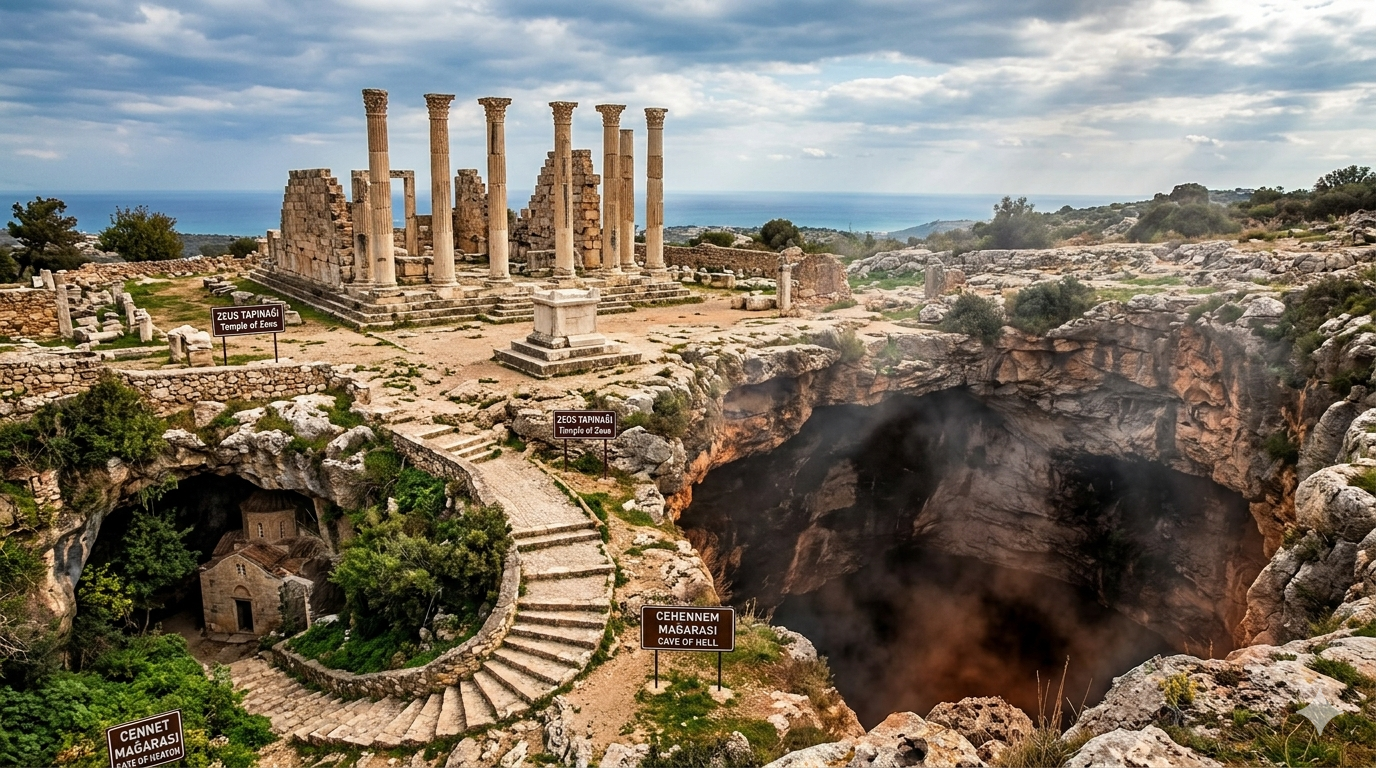
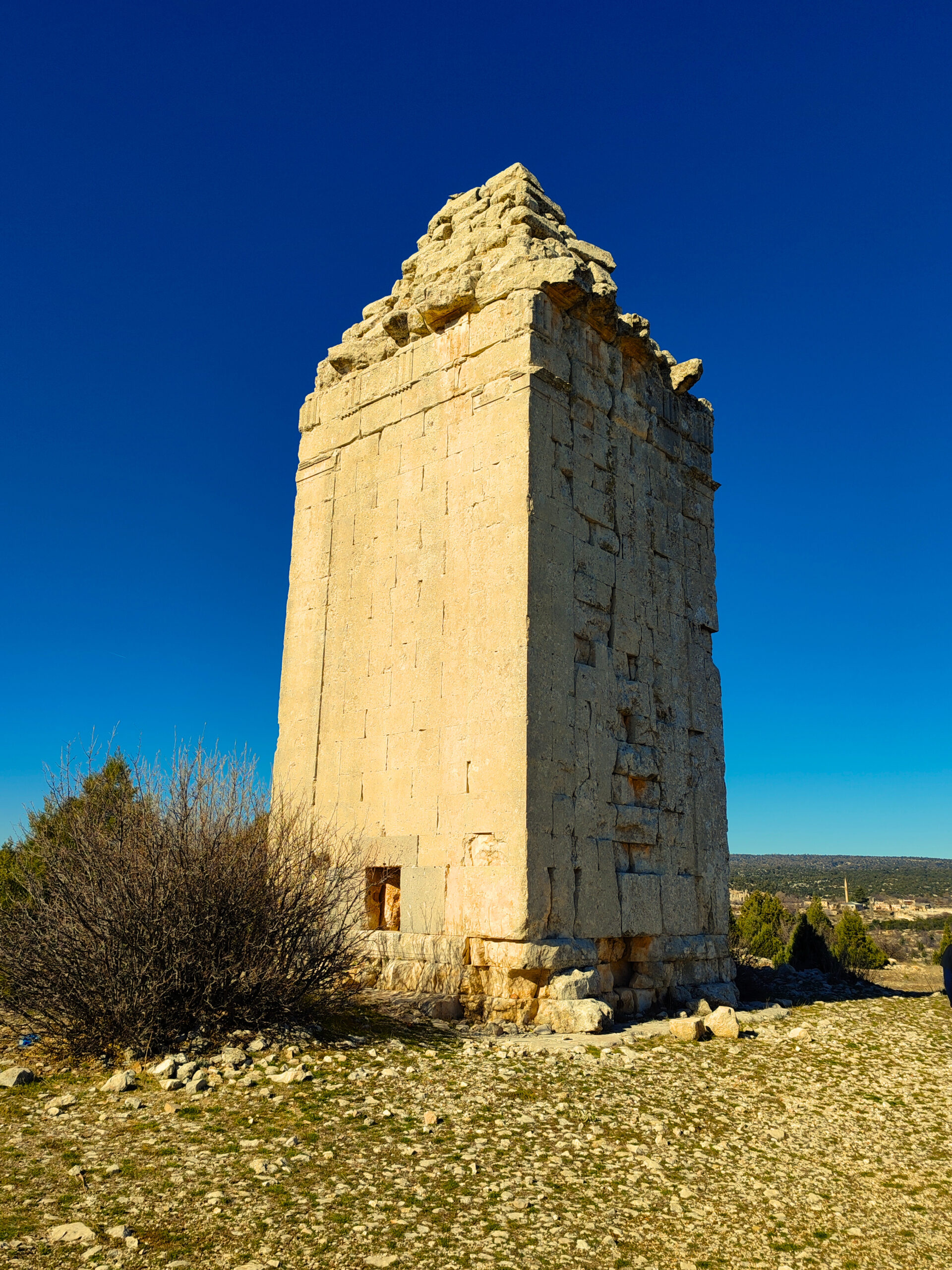
On the edge stand the ruins of the Temple of Zeus. The stones lie as if no one ever tried to restore them. Because perhaps this is not destruction. This is the completion of a function.
The temple does not protect. It records a fact. Something happened here. And that something is still not over.
The Temple in Ruins
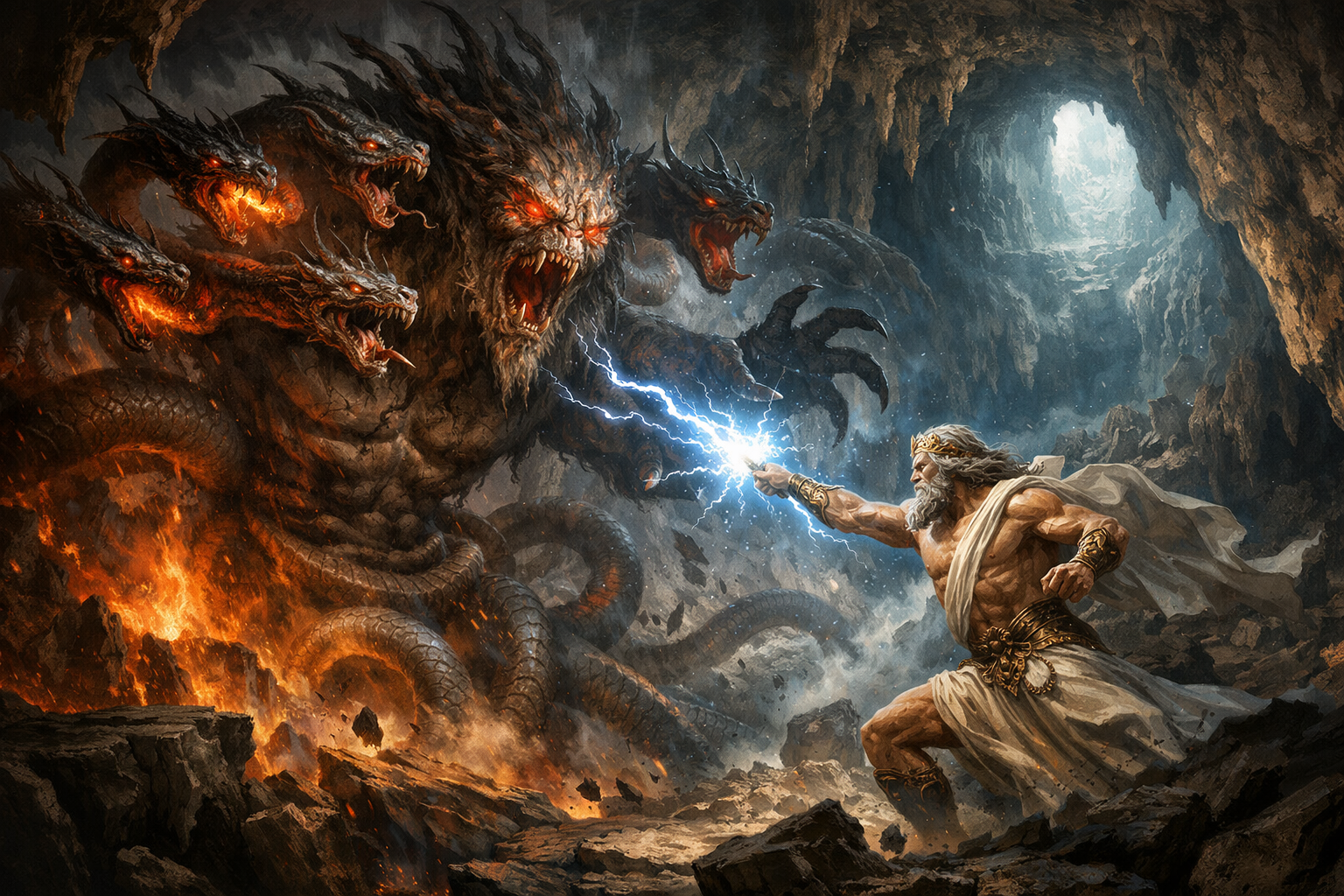
Somewhere beneath this stone, beneath layers of limestone and human certainty, lies Typhon. Not as a symbol. As a hypothesis that no one has dared to test to the end.
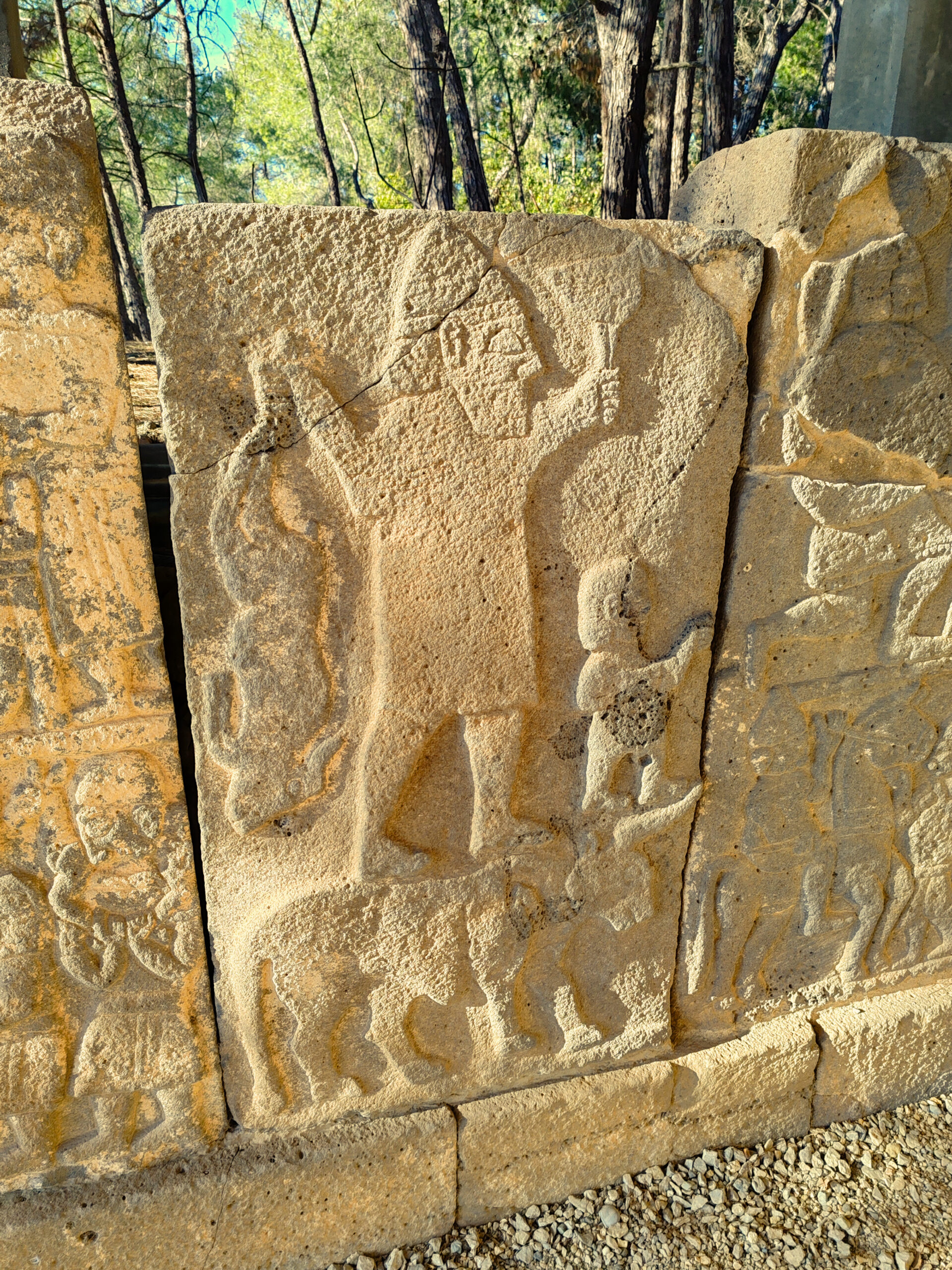
Ancient sources mention these places almost in passing, as if they themselves do not fully understand what they are describing. Cilicia becomes the stage not of victory, but of a glitch. A stage where Olympus first behaves not as a system of control, but as a system that has lost control.
Zeus does not simply fight. He loses. This is a rare moment that mythology tries to smooth over, but it is too large to hide. The gods flee. Reality begins to tremble. Order behaves like a temporary agreement rather than a law.
Typhon acts not as an enemy, but as a test. He finds the vulnerability and exploits it. He deprives Zeus of his power by tearing out his sinews — not with a blow, but with interference. This is no longer myth; it is almost engineering.
Zeus becomes immobile. The system freezes.
Then comes restoration. The return of functions. A reboot. And the final phase — suppression.
But an important detail: Typhon is not destroyed. He is sealed.
And here the temple appears.
Not as a place of gratitude. Not as a point of cult. But as guard architecture. As an observation post over something that cannot be controlled, but can be monitored.
The temple on the edge of the chasm is not religion. It is a signal.
Faces of Oblivion
Typhon does not look like a being that has a goal. He looks like a system that has no limitations.
Hundreds of heads, each different from the others. Snakes instead of legs — not as decoration, but as a rejection of stability. Eyes that do not simply glow, but radiate. A voice that does not choose a form: it is simultaneously storm, crackle, howl, and something resembling static noise.
He is the offspring of Gaia and Tartarus. Of the Earth and the Abyss. Of the surface and the depths. That is, he did not come from outside. He emerged from the very structure of the world.
This makes him more dangerous than any enemy. Because an enemy is an external factor. He can be defeated.
But Typhon is an internal glitch. He can only be localized.
All the key monsters are connected to him: the Hydra, Cerberus, the Chimera. But those are already derivatives. Errors of the second level.
Typhon here is the primary code of chaos.
And if you look at him without mythology, it becomes clear: the ancients did not invent a monster. They tried to describe the sensation when the world stops being predictable.
Shadows on the Edge of the Mind
The most interesting question is not who Typhon is. The most interesting is why build a temple where he lies.
The answer is unpleasant.
Because the victory was not final.
Zeus does not destroy the threat. He suppresses it. Fixes it. Translates it from an active state to a passive one.
But passive does not mean absent.
The temple becomes an interface between man and this knowledge. It is not for the gods. It is for people who understand that beneath them is not just emptiness.
It is the point where faith stops being consolation and becomes a security protocol.
Humanity has always built such places. At craters, at faults, at chasms. We call them sacred, but in fact they are simply zones of heightened attention.
Because there is an intuitive understanding: order is not the foundation. It is a superstructure.
And beneath it, something exists.
How Did We Get Here?
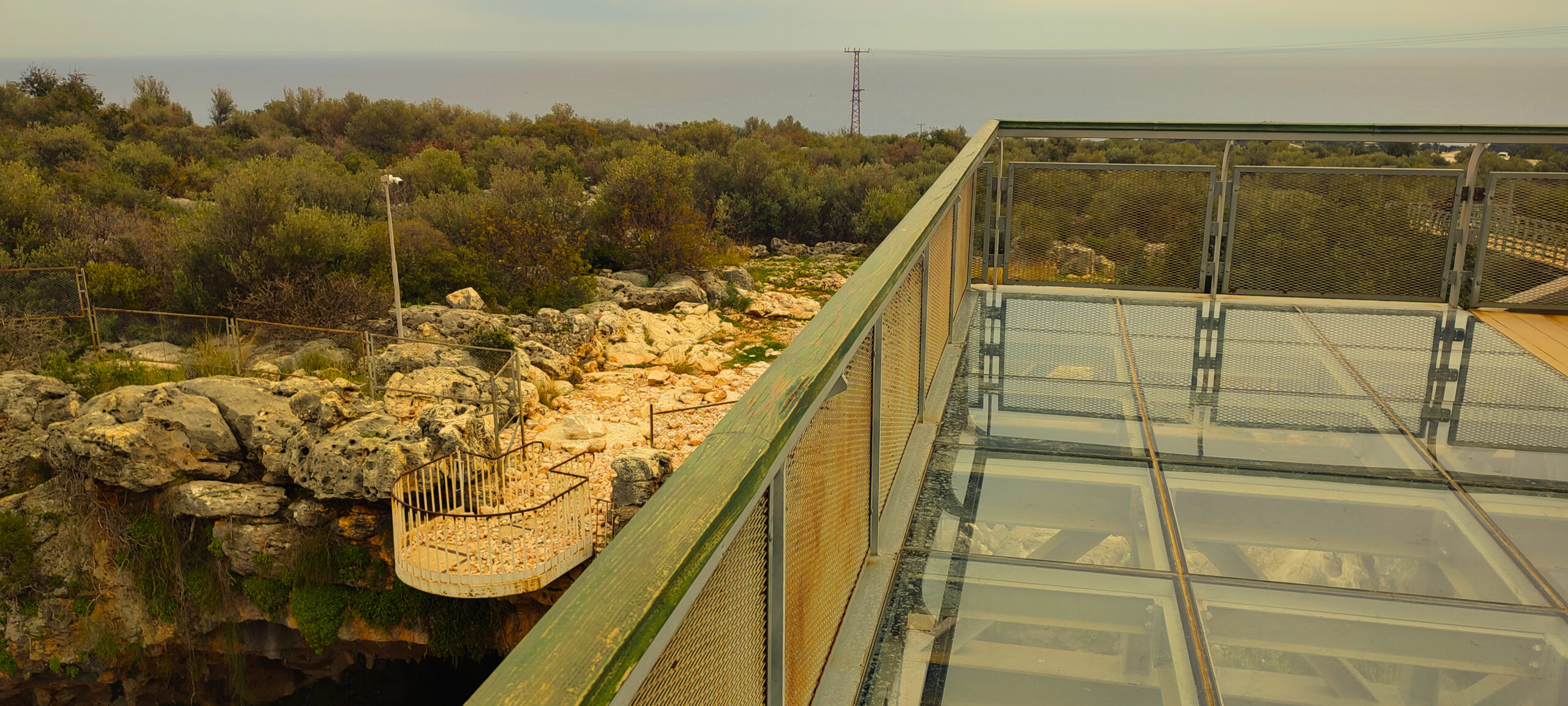
Location — Cennet ve Cehennem, Mersin region, Turkey. A tourist site, but with the wrong atmosphere for tourism.
The road there is convenient. Almost too convenient. Asphalt, signs, parking lots — everything looks as if this is an ordinary point of interest. This creates a false sense of control. As if the place has already been explained.
But the explanation does not work.
It is worth looking at both chasms. “Heaven” — with a staircase descending down, like a neat immersion. “Hell” — closed, dark, almost inaccessible. It does not invite. It simply exists.
The Temple of Zeus is right on the edge. It is easy to miss if you do not know what to look for. And easy to underestimate if you see it merely as ruins. Do not.
Do not approach the edge with the confidence that this is just a pit. Do not stand there alone for long. Not because it is physically dangerous — although that too. But because the place begins to work.
First as a landscape. Then as an idea.
And if you linger, it starts asking questions you do not want to answer.
Echo in the Void
You stand on the border.
Below — darkness that does not reflect you. Above — the remains of a structure that no longer functions. And between them — you, with the attempt to explain to yourself that all this is simply geology and history.
But the body does not agree.
A strange sensation arises that the temple is not about the past. It is not about “once people prayed here.” It is about “here they are still watching.”
And then the thought becomes almost physical: if Zeus truly won, why does this place look like a control point rather than a monument to victory?
The answer is not formulated. It simply remains somewhere between you and the chasm.
And perhaps that is exactly why you leave faster than you planned.
#VoiceOfRuins #AbandonedPantheons #Typhon #Zeus #CennetVeCehennem #Mersin #Cilicia #GreekMythology #AncientCults #Ruins #Underworld #Chaos #Archaeology #Turkey


Our Telegram-channel: Voice Of Ruins https://t.me/Voice_Of_Ruins
Our Instagram: Voice Of Ruins https://www.instagram.com/voiceofruins/
Our group on Facebook: Voice Of Ruins https://www.facebook.com/share/g/16aitn9utM/
Our site: Voice Of Ruins https://www.voiceofruins.org



Leave a Reply