
Call of the Void
Vanishing Point
There are places where the world suddenly stops playing by its usual rules. You stand on a windy hilltop, dry grass trembling under your feet like a long-forgotten thought, and everything around you feels so ancient that even your shadow looks foreign here.
Gobekli Tepe is not just a sanctuary. It is a glitch in the sequence of being. A moment when emptiness first attempted to speak with the voice of stone.
And you, arriving from a world of cell towers and anxious notifications, don’t immediately understand: there is no entrance here. And no exit. There is only the feeling that reality once began right on this spot — and still isn’t sure whether it made the right choice.
Landscapes Without Hope
The road to Gobekli Tepe runs through the dry land of Anatolia, where the horizon refuses to come closer. The wind carries the smell of heated stone and barren hope. On both sides lie fields that look as if they were cultivated not by humans, but by time itself.
You ascend toward a hill that seems determined to remain unremarkable. It doesn’t take pride in its age. It hides it, like an old man who has lost interest in conversation.
Asphalt turns into gravel, gravel into dirt, and dirt into that strange kind of emptiness where footsteps sound like foreign noise.
The sky here is vast and indifferent. Stare at it too long, and you may forget you’re going anywhere at all.
The Cry of Stones
The first thing you feel is stillness. Not calmness — stillness, as if everything around you decided to stop time until you finish examining its secrets.
The stone circles don’t look like ruins. They look like someone deliberately set them up, checked them, walked away, and said, “I’ll be back later.” But no one returned.
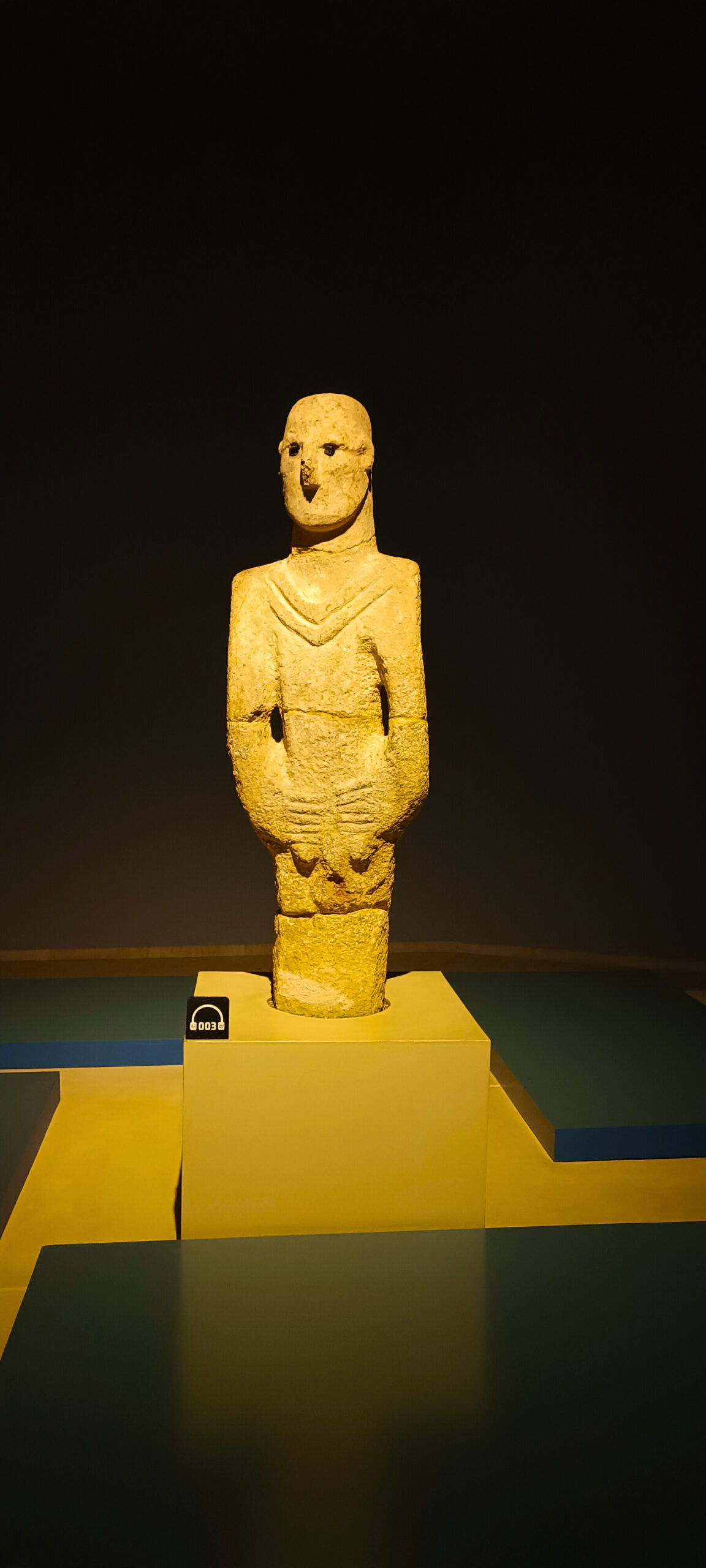
The T-shaped pillars stand like figures trying to remember their names. On them — animals that look at you with the indifference of those who lived long before fear existed. Foxes, snakes, boars, birds. They seem to have arrived from a world where humans had not yet negotiated what it meant to be human.
You notice the absence of human traces. No hearths, no dwellings, nothing that would explain why people were here at all.
This place was created for only one purpose — to communicate with something greater than humanity. Or smaller. Or so different that comparison becomes useless.
And suddenly it hits you: the stones really are screaming. But the sound isn’t in the air — it’s inside your mind.
Shadows on the Edge of the Mind
Gobekli Tepe is older than cities, farming, pottery. Older than the history we think we understand.
The people who raised these multi-ton blocks lived by hunting and gathering. They had no cities, but they created a place for which cities would later become necessary.
A strange paradox appears: people didn’t build rituals for the sake of civilization. Civilization emerged because rituals already existed.
We like to imagine progress as a ladder. But Gobekli Tepe says otherwise: progress is a circle carved in stone — you step into it not for answers, but to hear your own echo.
And one more thing — the site was buried. Not destroyed. Not forgotten. Buried, as if laid to rest.
As if sealing a portal so something wouldn’t crawl back out — something humanity could no longer handle. We don’t know what it was. And perhaps it’s better that we don’t.
Footprints on the Map
Reaching Gobekli Tepe is easy if you know where you’re going. Most visitors arrive from Şanlıurfa — a city where antiquity is felt even in the concrete creases of modern life. From there it’s about half an hour by car: taxi, bus, or shuttle.
The path up the hill is short, but the sun is merciless. Water isn’t a suggestion — it’s a survival requirement.
Summer brings heat; winter brings a wind sharp enough to cut thoughts. The best time to visit is early morning or evening, when the sun softens reality without undoing it.
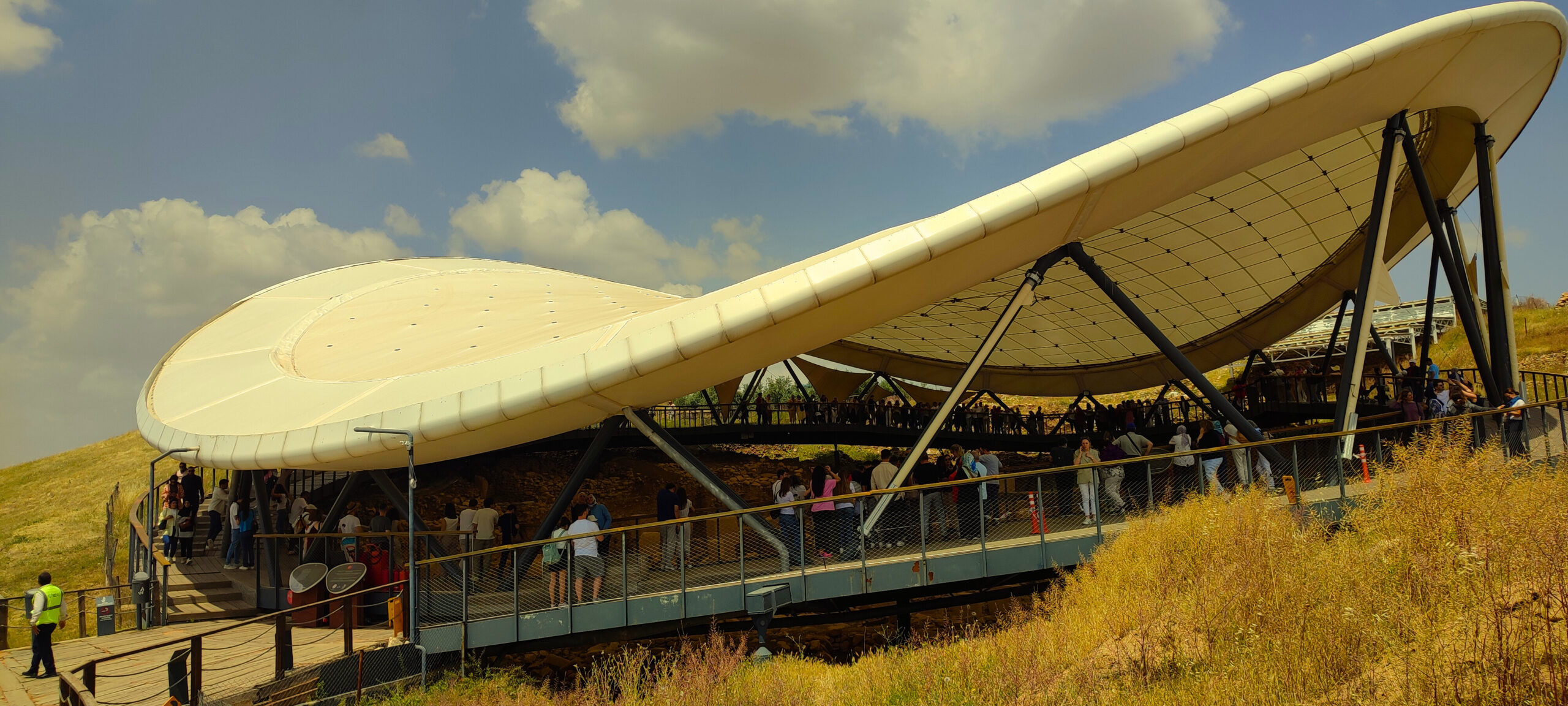
The infrastructure is discreet — a neat visitor center, a road, a bit of shade. Beyond that begin the stones, which couldn’t care less how many percent of battery you have left.
Echo in the Void
When you leave, there’s a strange feeling that a part of you has remained among the pillars — a small shadow now listening to the silence on your behalf.
The longer you look at Gobekli Tepe, the clearer it becomes: this isn’t about the past. It’s about what existed before the past. About the moment when a human first lifted their eyes from the ground to the sky — and failed to understand what the sky wanted to say.
This place doesn’t answer. It only observes. And if you linger a second longer than necessary, you might feel that it’s waiting for your next step.
But you leave. And Göbekli Tepe stays. Too ancient to be a mystery. Too honest to be a legend. Too quiet to be heard by everyone.
#VoiceOfRuins #CallOfTheVoid #GobekliTepe #Neolithic #Archaeology #Anatolia #History #AncientWorlds #Travel #TurkeyRoutes #MemoryOfStone


Our Telegram-channel: Voice Of Ruins https://t.me/Voice_Of_Ruins
Our Instagram: Voice Of Ruins https://www.instagram.com/voiceofruins/
Our group on Facebook: Voice Of Ruins https://www.facebook.com/share/g/16aitn9utM/
Our site: Voice Of Ruins https://www.voiceofruins.org




Leave a Reply