
Archive of Erased Epochs
A Crack in Chronology
The history of Antalya begins neatly. With the Greeks. With columns. With coins. With inscriptions. With dates that conveniently fit into textbooks.
But step just a little higher than the tourist routes — to the slopes of Taurus, to the terraces, retaining walls, acropolis foundations — and history starts behaving strangely.
Stone ceases to obey chronology.
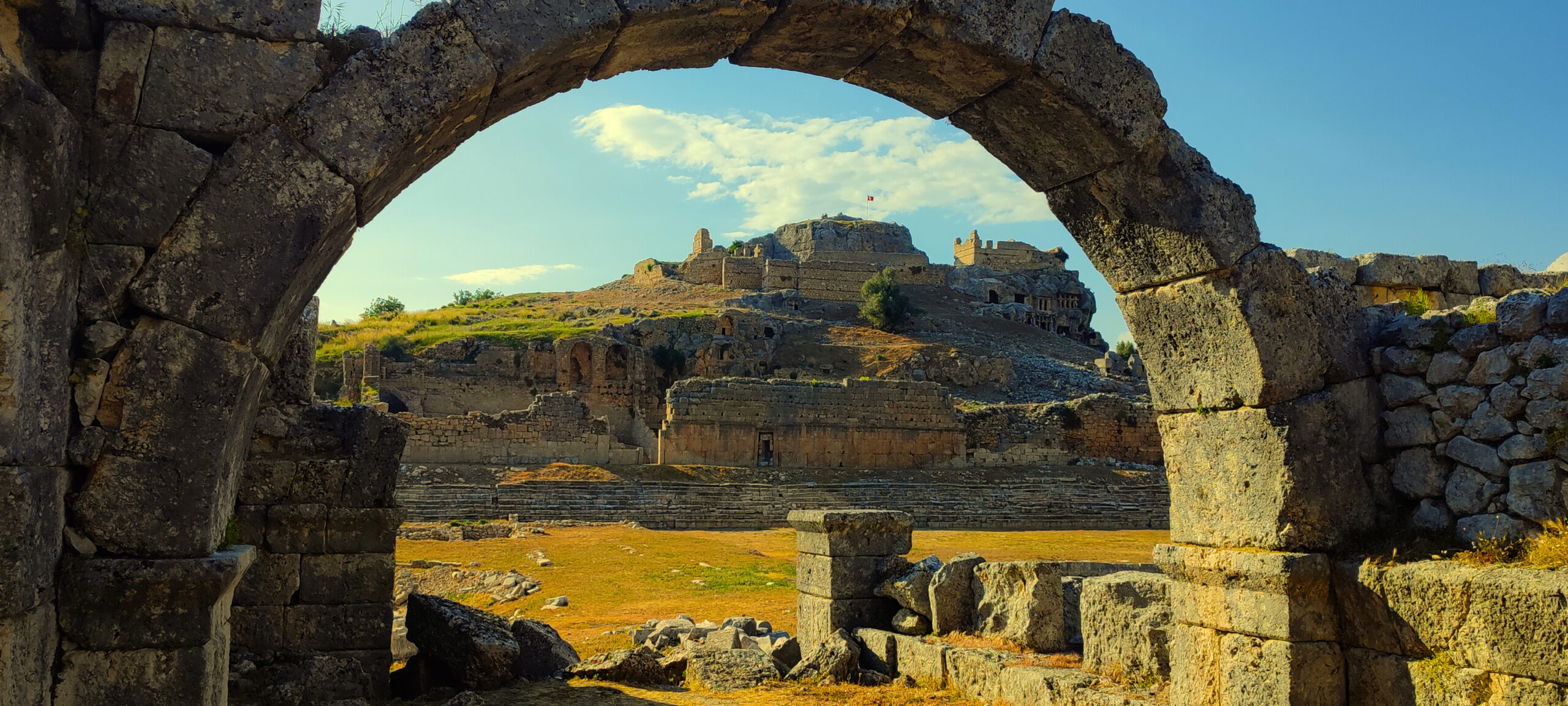
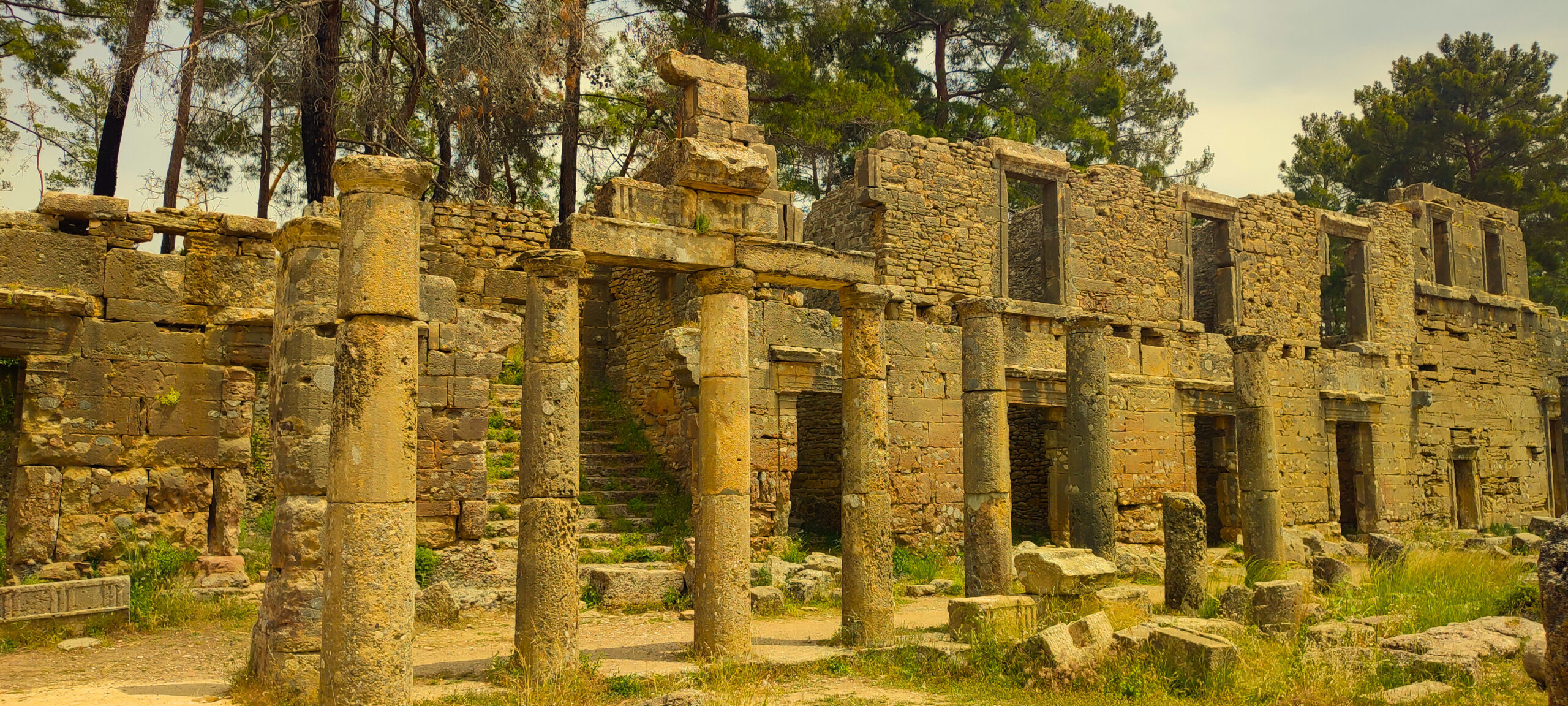
In Termessos, the lower rows of walls are built from gigantic polygonal blocks that cannot be explained by the logic of Hellenistic fortification. In Olympos, ancient terraces are swallowed by jungles, as if the city grew upon someone else’s skeleton. In Phaselis, the port rests on platforms seemingly created for ships that never entered this bay. In Tlos, the acropolis stands on a monolithic base resembling a mountain dam. In Xanthos, the capital of Lycia turns out to be merely the upper floor of a far more ancient construction.
This is the moment of the crack. When the stone says: I was here before your history.
Not myth. Not legend. A physical glitch in the official version of the past.
Beneath the Ashes of History
Official archaeology is meticulous. It dislikes bold conclusions. It works in layers. But sometimes the layers themselves contradict one another.
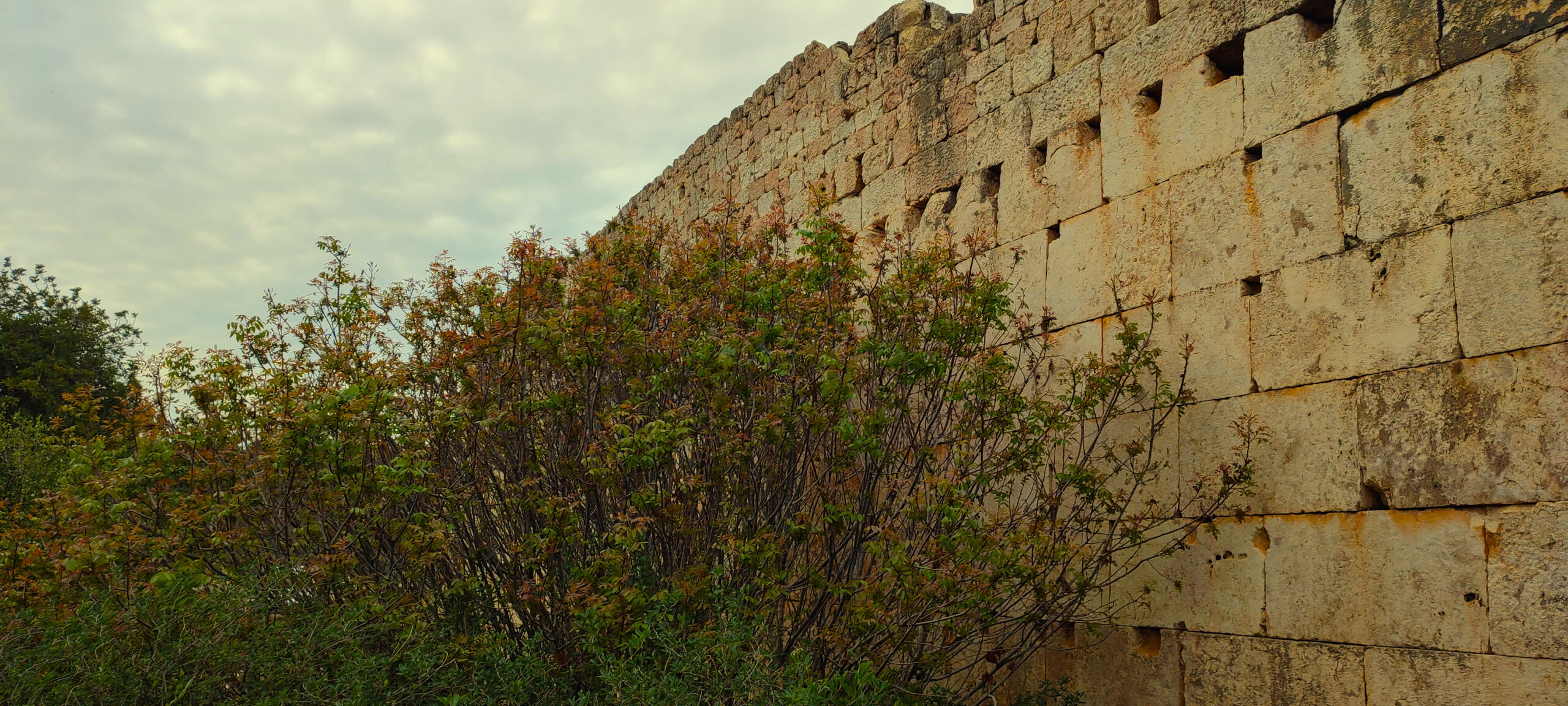
In Termessos, the lower walls are executed in polygonal technique: blocks fitted so precisely that a blade cannot slip between them. Without mortar. Without traces of primitive tools. Higher up — classical Hellenistic masonry, noticeably cruder. This is not evolution. This is replacement of technology.
In Olympos, foundational terraces plunge deep into the slopes, as if the city was embedded into an already existing engineering system. Beneath later structures — massive platforms whose purpose has long been lost.
Phaselis, a trading port, rests on cyclopean foundations. Beneath quays and walls — multi-ton blocks laid as if designed for different loads and different scales.
In Tlos, the acropolis stands on a stone base that resembles a geological formation more than a human construction. Too massive. Too rational. Too excessive for defensive function alone.
Xanthos — the Lycian capital — displays the same logic: the Hellenistic city rests upon a stone foundation clearly created long before it.
None of these facts alone is sensational. But together they form a contour.
The megalithic contour of Antalya.
A network of stone nodes scattered across mountains and coast, united by a single engineering logic and geometry.
History says: Greeks. Stone is silent — and thereby says far more.
The Mechanics of Oblivion
Civilizations do not die beautifully. They vanish in dust, fires, tectonic shifts, and foreign languages.
Western Taurus — a region of catastrophes. Earthquakes. Landslides. Floods. Plate shifts. Volcanic traces. Canyons. Karst sinkholes. Here geology itself acts as an eraser of memory.
But natural causes are not enough.
Every new civilization arrives not only to build — but to rewrite. Old walls become foundations. Old roads become bases for new routes. Old temples become quarries.
The past is dismantled into blocks. Not out of malice. Out of practicality.
Why create a foundation when one already exists? Why explain something when you can simply build into it? Even if not too harmoniously.
Thus entire epochs disappear. Not in flames, but in silence. They are not destroyed — they are recycled.
The megaliths of Antalya are not ruined. They are absorbed.
Traces of Elder Worlds
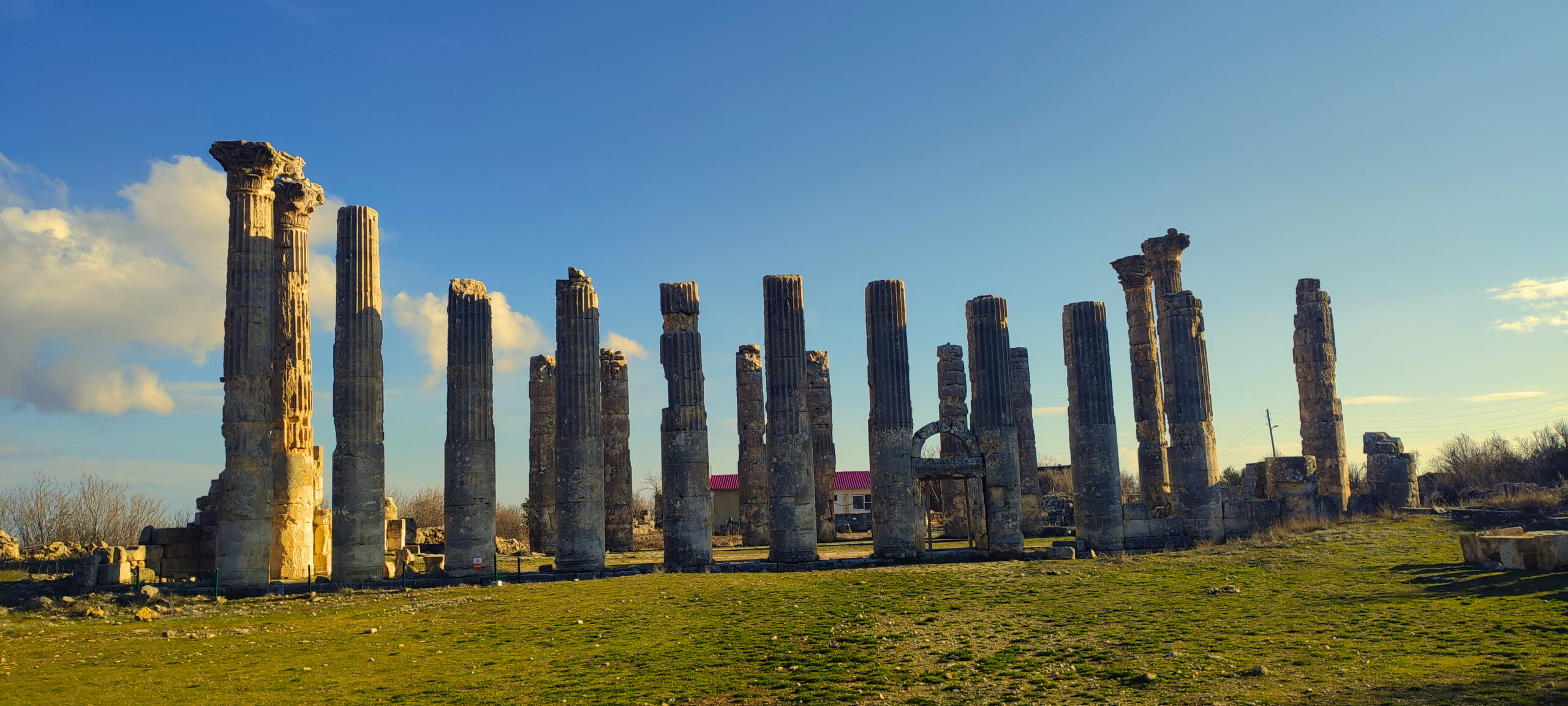
Polygonal masonry. Cyclopean platforms. Terraced systems. Gigantic retaining walls.
What unites these constructions is one thing: they are excessive.
They are calculated for loads that ancient cities never produced. They are designed with an engineering margin, as if the builders feared not wars, but planetary catastrophes.
Megaliths are not built for beauty. They are built for survival.
Termessos — a fortress that could survive a tectonic shift. Tlos — a platform capable of withstanding a mountain collapse. Xanthos — a city embedded in a stone frame. Phaselis — a port resting on cyclopean bases. Olympos — a terraced labyrinth built into the chaos of jungles and cliffs.
This is not the architecture of cities. This is the architecture of shelters.
Shadows at the Edge of Reason
Humanity vitally needs to consider itself the first.
First fire. First city. First thought.
But the megaliths of Antalya shatter this narrative. They say: you are not the beginning. You are merely one of the layers.
We fear elder civilizations because they deprive us of exclusivity. If someone was here before us — then we too can be replaced just as easily.
History turns into a series of not victories, but resets.
Civilization is a temporary interface between catastrophes.
Stone is the only carrier of memory that does not yield to ideologies.
The megaliths of Antalya are a reminder that reason does not guarantee immortality. It guarantees only the next cycle.
Echo of an Erased World
In Termessos comes the moment when tourists disappear, guides disappear, words disappear. Only wind, stone, and height remain.
You place your palm on a block that weighs more than your entire life, and suddenly realize: this stone does not know your language. It does not acknowledge your history. It is not interested in your gods.
It is older than your fears.
In Olympos, jungles slowly devour megalithic terraces. Roots gnaw into the masonry as if nature itself tries to reclaim its architecture.
In Phaselis, the sea erodes the platforms, and waves crash against the stone again and again, as if testing its strength once more.
In Xanthos, you see civilizations standing atop one another like floors in a house built without a plan. And you understand: your floor is not the last.
A strange feeling remains. Not awe. Not fear. But a quiet shift in scale.
History ceases to be a story about people. It becomes a story about stone.
And then the thought arrives: we are not heirs of the past. We are its temporary tenants.
#VoiceOfRuins #ArchiveOfErasedEpochs #MegalithsOfAntalya #Termessos #Olympos #Phaselis #Tlos #Xanthos #AncientCivilizations #DustOfTime #ArchaeologyWithoutBorders #LostEpochs #Megalithics #HistoryThatNeverWas #ErasedMemory #ShadowsAtTheEdgeOfReason #AncientAnatolia #TaurusMountains #GeologyOfHistory


Our Telegram-channel: Voice Of Ruins https://t.me/Voice_Of_Ruins
Our Instagram: Voice Of Ruins https://www.instagram.com/voiceofruins/
Our group on Facebook: Voice Of Ruins https://www.facebook.com/share/g/16aitn9utM/
Our site: Voice Of Ruins https://www.voiceofruins.org




Leave a Reply