
Dust of Time
Entering the Labyrinth
There is a simple logic: if the body disappears, the cult should die. In Demre, this logic does not work.
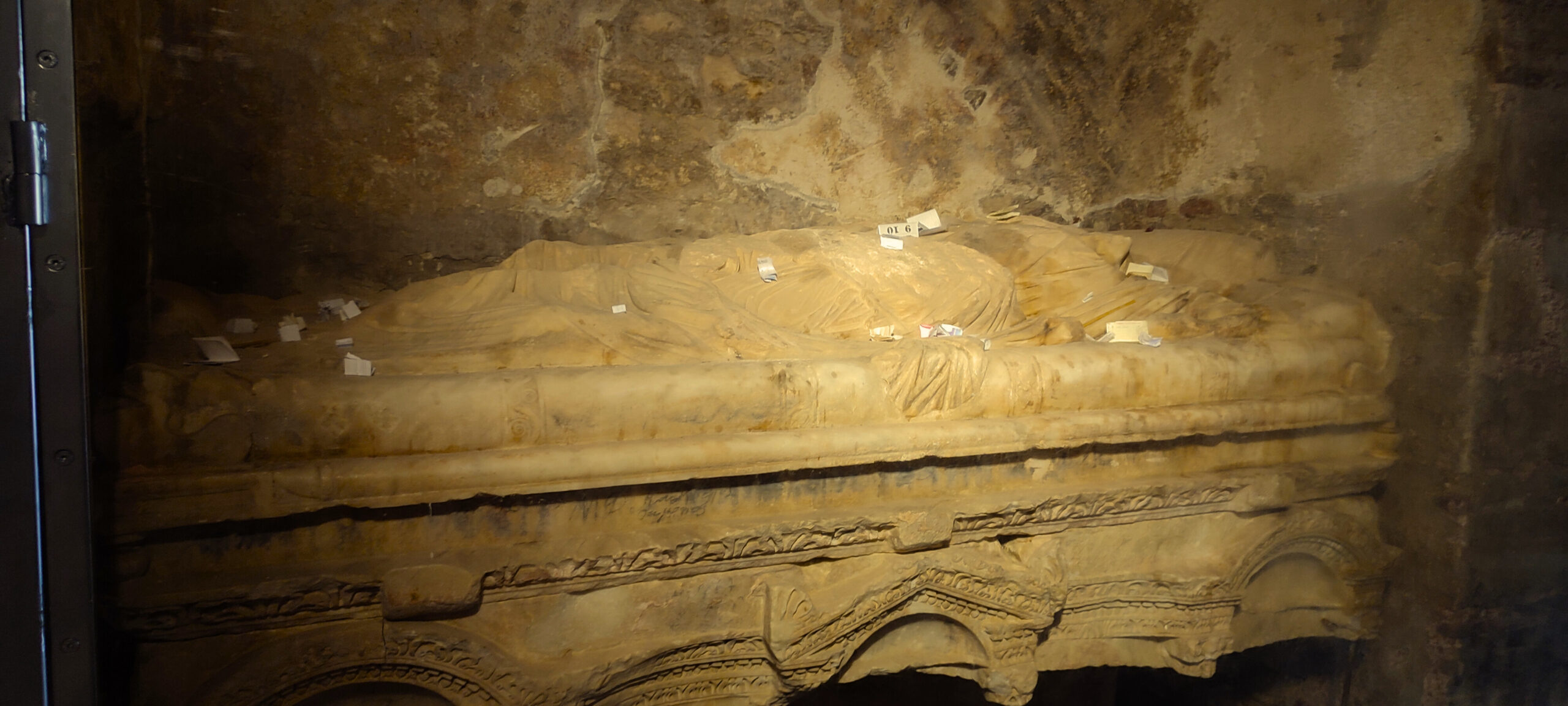
There are no relics. The sarcophagus is empty. The physical center no longer exists. But Nicholas has not gone anywhere. He simply ceased to be an object — and became a function.
You enter the church not to meet a saint, but into a process that continues without its original carrier. Like a program that outlived its server. Like a signal that lost its source, but not its meaning.
Past the Empires
The historical Nicholas was extremely local. A bishop of a provincial city — Myra of Lycia. Not a capital. Not an imperial center. Not an intellectual hub.
He left no texts. Founded no schools. Created no doctrine.
All he had was a reputation for action.
He intervened. Solved concrete problems. Worked with reality at the level of people, debts, fears, and routes.
Figures like this survive epochs best.
When Byzantium began to weaken, relics became a strategic resource. In 1087, the relics of Nicholas were transferred to Bari — a commercial, port city with logistical advantages. The saint was embedded into a new system of coordinates.
Demre lost the body. The world received a distributed Nicholas.
Fragments of the Present
Today, Nicholas is one of the most fragmented saints in the Christian world.
Parts of the relics are located in Bari, Venice, Rome, Germany, and France. His images exist in Orthodoxy, Catholicism, folklore, and commercial culture. His functions range from patron of sailors to a figure of a global winter myth.
And in Demre — absence.
This absence is not concealed. It is displayed. Recorded. Left open.
Archaeology here is honest: layers of silt, traces of water, reconstructions after earthquakes, an empty sarcophagus. Nothing extra. No attempts to “restore what was lost.”
The church records the moment when the cult ceased to need a body.
Shadows at the Edge of Reason
A function is what continues to operate even after the object disappears.
Nicholas performs a stabilizing function. He is an interface between fear and order. Between risk and hope. Between departure and return.
When the body was lost, the function did not break — it became pure.
Presence ceased to be material. It became routinal, acoustic, repeatable.
You do not worship Nicholas. You test whether he is still working.
And the church in Demre is the perfect place for that test. Without relics. Without a center. Without closure.
How Did We Get Here?
To understand this place, it is important to abandon expectations.
Do not look for a miracle. Do not wait for an emotional impact. Do not try to “feel the saint.”
The best approach is to walk the entire complex slowly. Notice the unevenness of the floor. The traces of water on the walls. The way the space guides you, not the other way around.
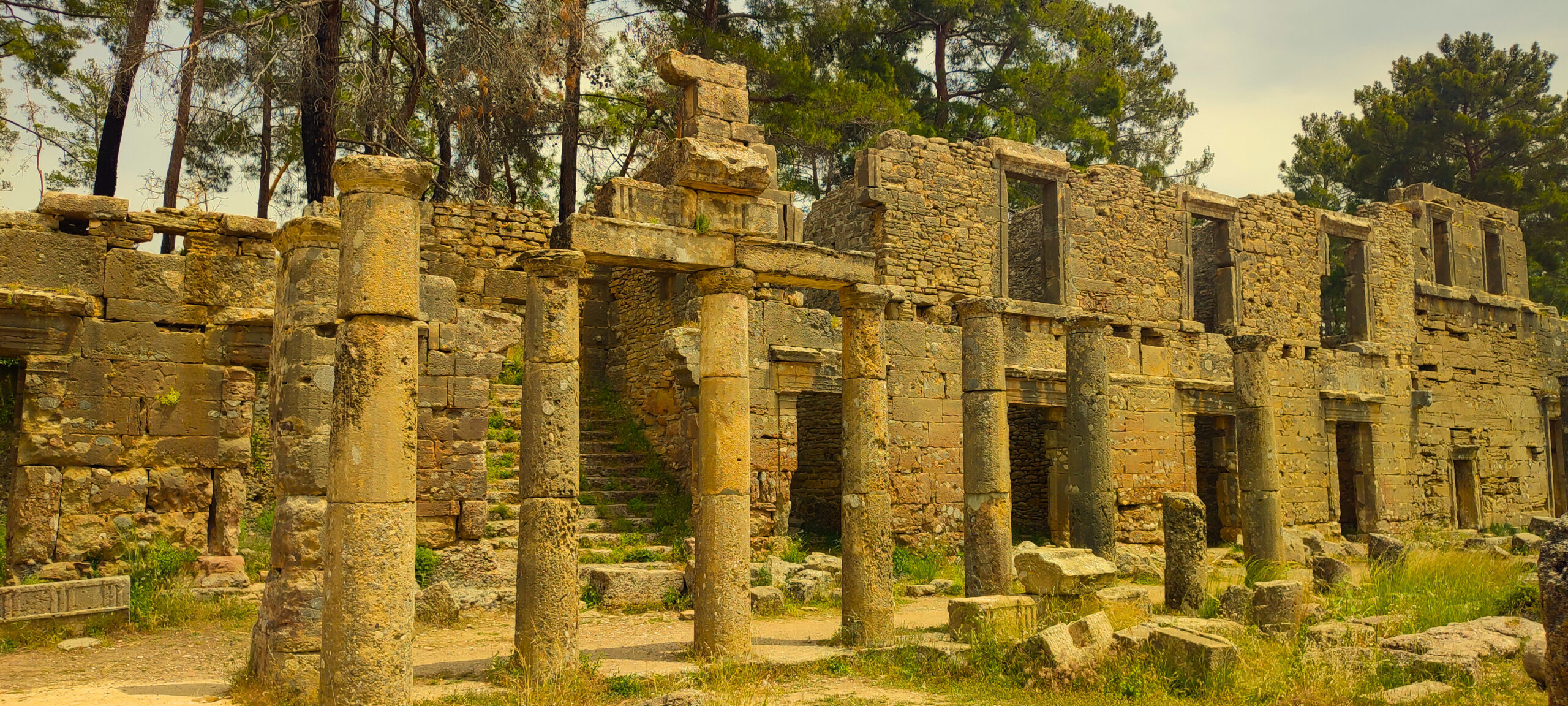
If time allows, walk through Myra itself: the theater, the necropolis, the remains of the harbor.
Then it becomes clear: Nicholas did not disappear. He simply changed the form of his presence.
Echo in the Void
Relics can be taken away. A body can be divided. A center can be destroyed. But a function cannot.
Nicholas outlived himself. A rare quality.
He became a saint without localization, a presence without a body, a mechanism without an object.
And the church in Demre is not a monument to loss. It is an instruction.
Sometimes, in order to remain, one must stop being a thing.
#VoiceOfRuins #DustOfTime #Demre #Myra #SaintNicholas #ChurchOfSaintNicholas #Lycia #Byzantium #archaeology #ruins #holiness #presence #memory #philosophy #dustoftime


Our Telegram-channel: Voice Of Ruins https://t.me/Voice_Of_Ruins
Our Instagram: Voice Of Ruins https://www.instagram.com/voiceofruins/
Our group on Facebook: Voice Of Ruins https://www.facebook.com/share/g/16aitn9utM/
Our site: Voice Of Ruins https://www.voiceofruins.org




Leave a Reply