
Dead Men with Ideas
Name in Stone
Nicholas of Myra is a name that sounds like an inscription on a tomb, yet behaves like an active process. Bishop. Saint. Protector of sailors, children, debtors, and people who “just couldn’t cope.”
He was born in Patara, died in Myra of Lycia, and immediately refused to act like an ordinary corpse. Nicholas does not lie quietly in history — he intervenes. He does not demand temples, yet he gets them. He does not ask for faith, yet his name is used as a password to hope.
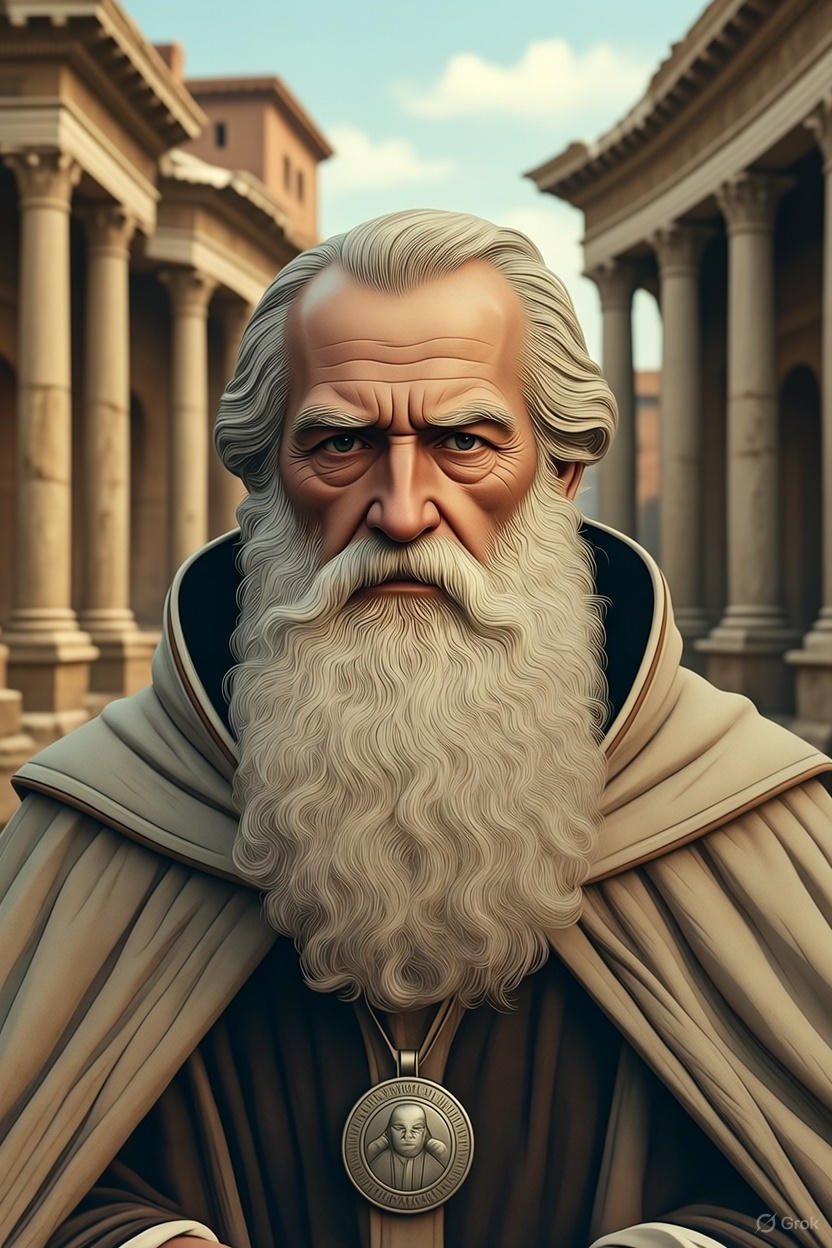
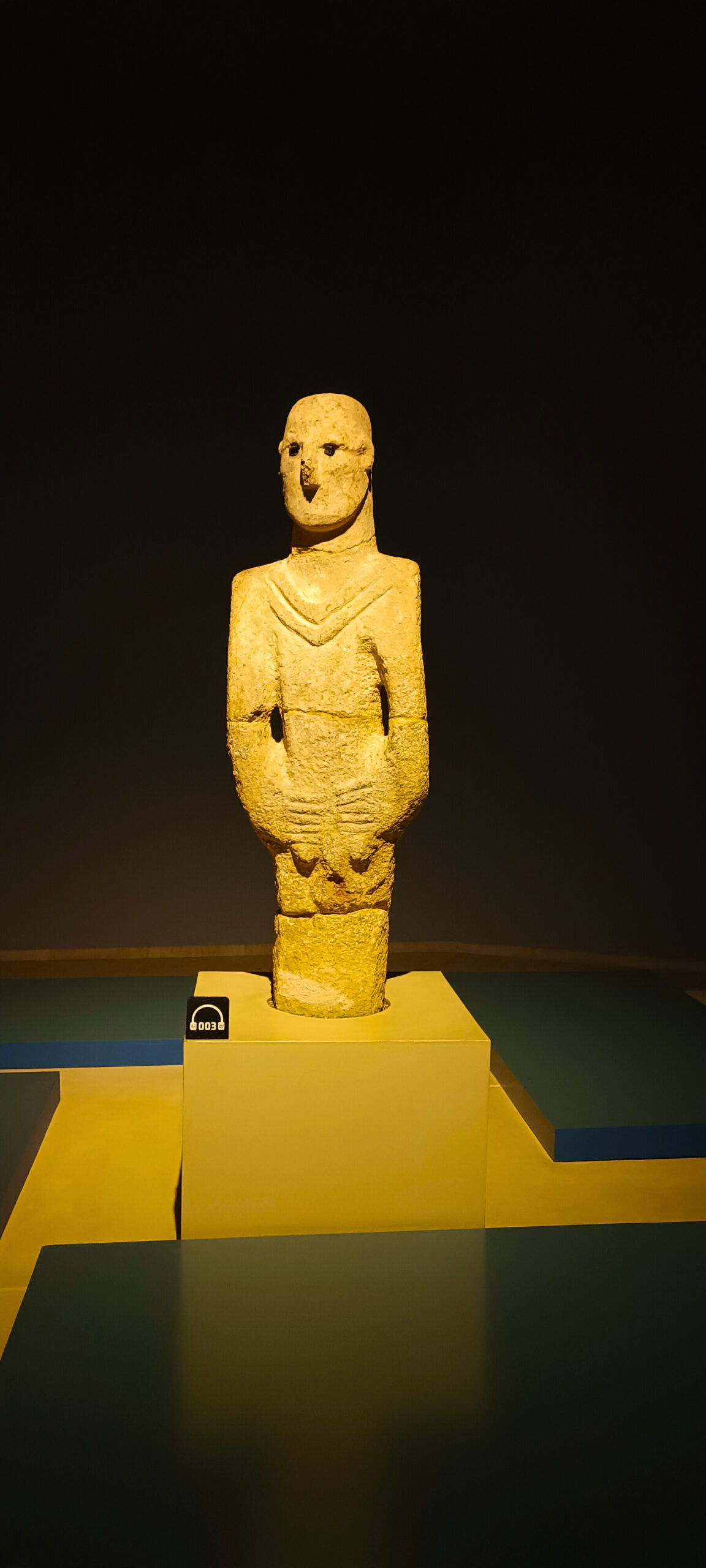
In stone, he is a stern old man. In legends, he is someone who always appears before disaster — and never sends an invoice.
Dust of Biography
The official version says: a wealthy heir who gave his property to the poor.
The alternative version is more honest: Nicholas understood that money is a bad idea if it is visible.
He did not create foundations. Did not publish reports. Did not take selfies against the backdrop of suffering.
He worked at night. Through windows. Through rumors. Through tossed bags of gold.
Three daughters. One father. Zero dowry. And suddenly — money that appeared as if by itself. Nicholas was the first to realize that help works only when it has no author.
He did not save the world. He patched specific cracks while civilization pretended everything was under control.
Ideas That Haunt Us
Nicholas’s main idea is simple and therefore unbearable: Good must be anonymous — otherwise it is not good, but advertising.
This idea scales poorly. It cannot be sold. It cannot be turned into a brand. You cannot slap a logo on it.
Nicholas invented the architecture of secret aid — a system in which:
the recipient is not humiliated,
the giver is not exalted,
and no one is obliged to be grateful.
This idea is dangerous. Because if it works, all moral shop windows collapse.
Shadows at the Edge of Reason
Today, Nicholas of Myra would feel uncomfortable.
His name is used:
in advertising,
in New Year marketing,
in joy packaged with a receipt and delivery date.
Santa Claus is Nicholas after passing through the filter of capitalism and losing his shame. But even in this form, the idea did not die.
It resurfaces:
in anonymous donations,
in “don’t say who it’s from,”
in help without stories.
Every time someone helps and does not demand applause, Nicholas becomes relevant again.
And this infuriates the system.
How Did We Get Here?
Physically, he is sought in Turkey. Demre. Former Myra of Lycia. The Church of Saint Nicholas — a museum pretending it is still a church.
There you find:
a sarcophagus without relics,
icons with tired faces,
and the feeling that the saint stepped out for a smoke long ago and never came back.
Monuments to him stand all over the world. But the real Nicholas is not in stone.
He is in every act that is:
unsigned,
unpublished,
unmonetized.
Every time someone helps and does not demand applause, Nicholas becomes relevant again.
And that infuriates the system.
#VoiceOfRuins #DeadWithIdeas #NicholasOfMyra #SaintNicholas #Lycia #Demre #MyraOfLycia #EarlyChristianity #AnonymousAid #GoodWithoutWitnesses #MercyAsABug #IdeaStrongerThanMan #HowItAllBroke


Our Telegram-channel: Voice Of Ruins https://t.me/Voice_Of_Ruins
Our Instagram: Voice Of Ruins https://www.instagram.com/voiceofruins/
Our group on Facebook: Voice Of Ruins https://www.facebook.com/share/g/16aitn9utM/
Our site: Voice Of Ruins https://www.voiceofruins.org




Leave a Reply