
Dust of Ages
Entering the Labyrinth
There are cities that want to be found. They build harbors, roads, triumphal arches, monuments to themselves. They shout: “Look — we existed.” They carve their names into stone, bronze, gold, and blood.
And then there are cities that do the opposite.
Seleukeia Lyrbe does not invite. It does not wink with signposts, does not send souvenir drones, does not sell its past in the format of “one-hour tour + coffee.” It sits in the Pisidian mountains, in the shadow of pines and cliffs, like someone who knows too much to seek attention.
You do not arrive in Lyrbe. You stumble upon it.
At first, it feels like you are simply lost. Then — as if you are being tested. And only when columns emerge between the trees, when perfectly fitted stone blocks rise from the soil, does the realization come: these are not ruins. This is a city that has still not decided whether you deserve to exist within its space.
Past Empires
Lyrbe is a child of Hellenistic chaos. Founded during the Seleucid era, it received the standard imperial brand: Seleukeia, with Lyrbe appended as a local identifier. Empires love replication. They multiply cities like stamps, hoping quantity will replace meaning.
But Pisidia does not love empires.
Geology here resists logistics. The Taurus Mountains fracture the land like a broken spine of the continent. Rivers vanish into karst. The soil is capricious. Every ascent is a struggle; every descent a risk.
That is why Pisidia became a territory of constant resistance.
Tribes lived here for whom freedom was not an abstraction but a bodily function. Roman legions advanced here not in formations but in needles. Cities did not expand — they compressed inward, turning into nodes of autonomy.
Lyrbe grew as a mountain capsule of civilization. It was not a capital. Not a commercial giant. Not a port. It was a backup copy.
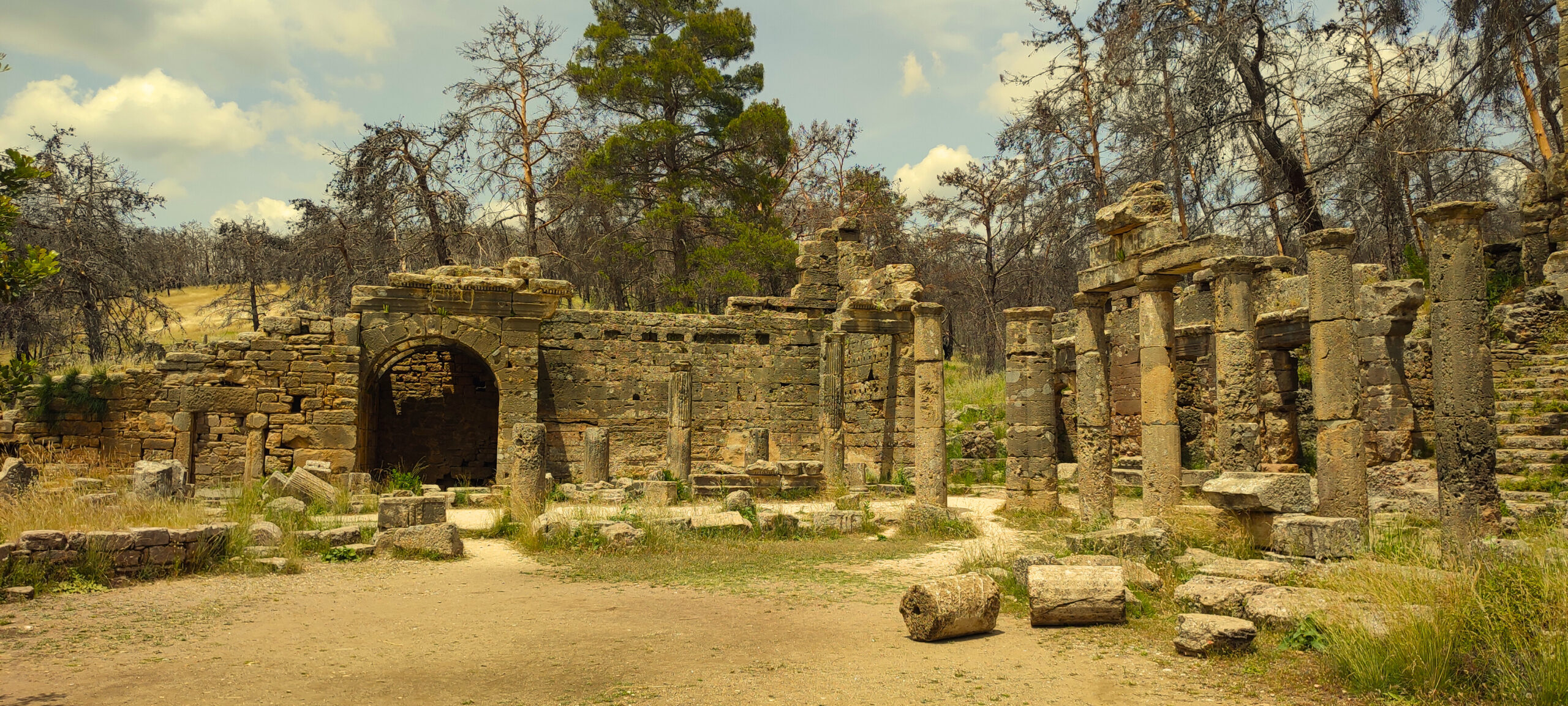
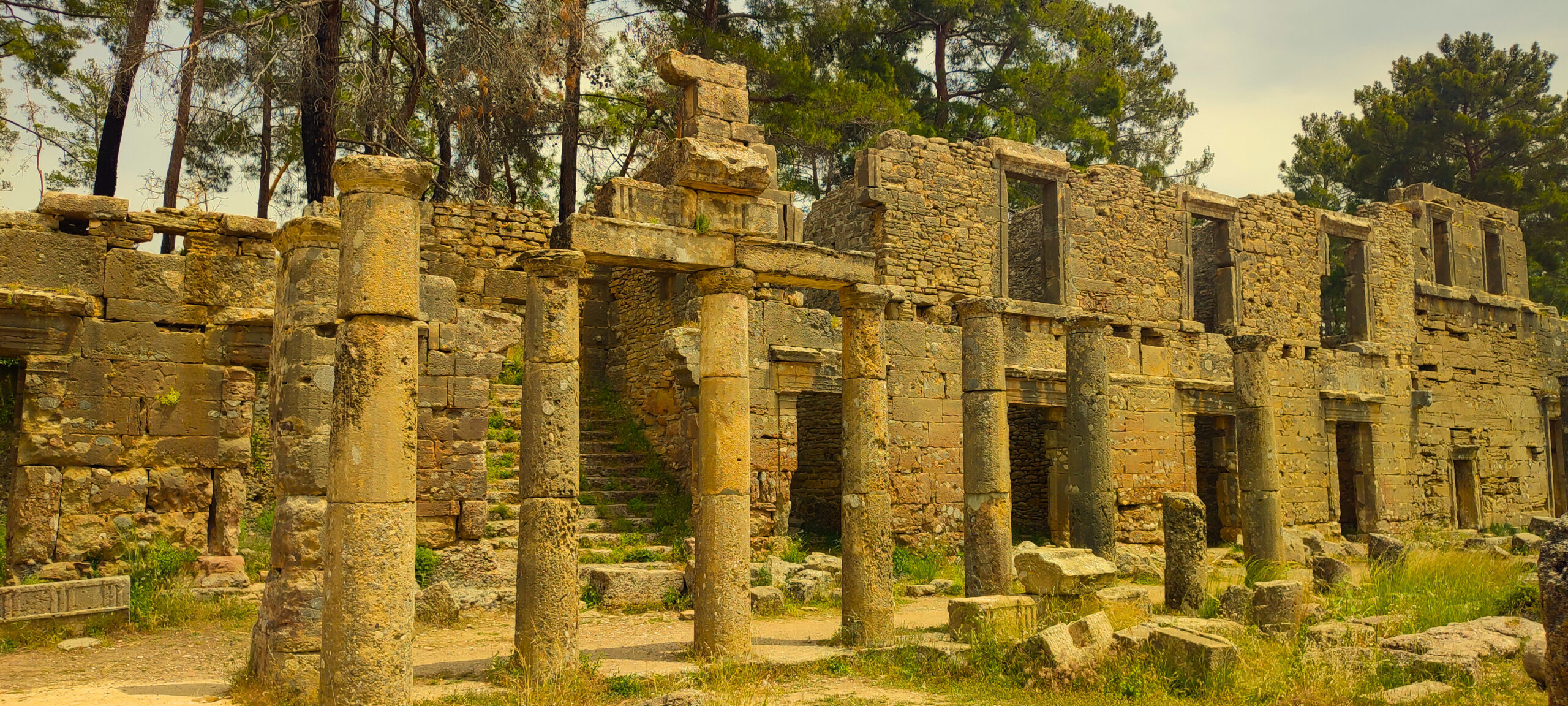
Its layout reveals this immediately. Colonnaded streets were built not for parades, but for orientation. The agora is compact, functional. The temples — devoid of excessive grandeur. The necropolis — vast, carefully designed, embedded into the system in advance.
Lyrbe was not designed for eternity. It was designed for catastrophe.
Fragments of the Present
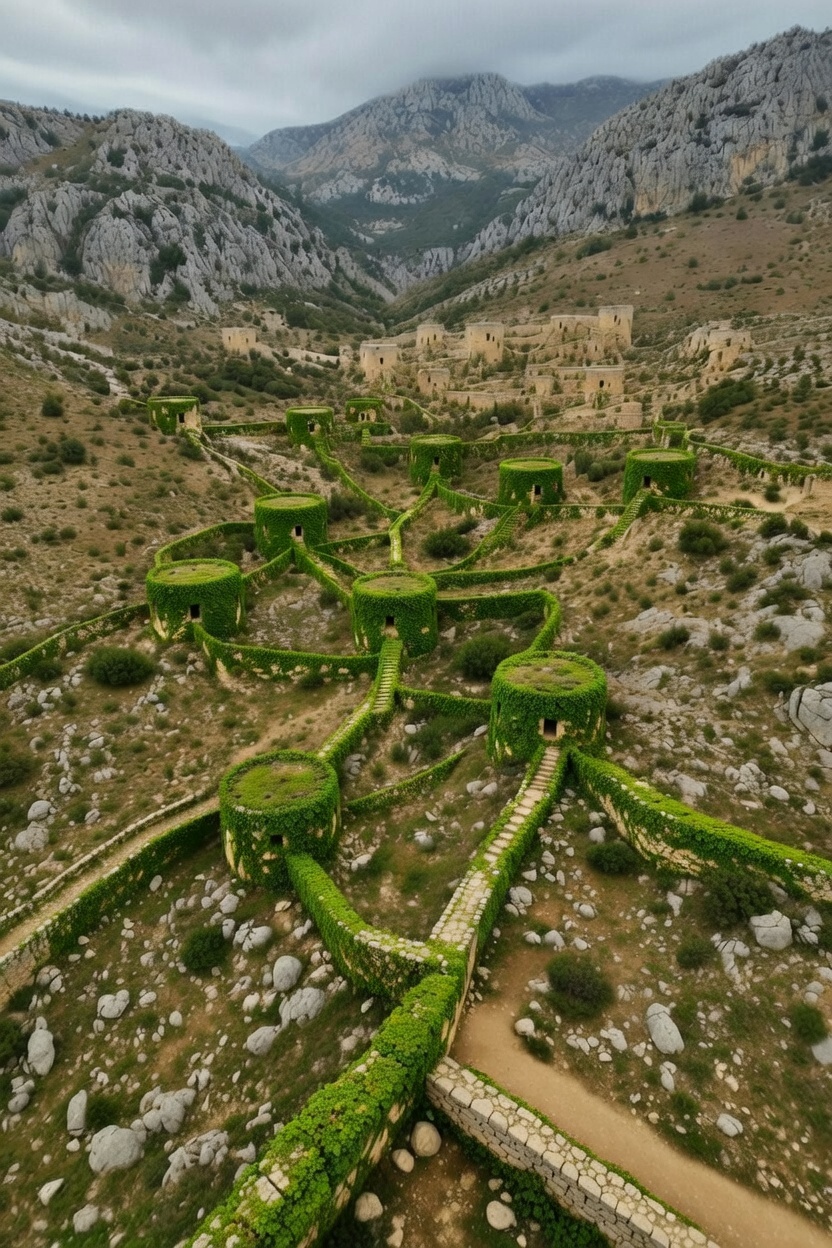
Today, Seleukeia Lyrbe is forest, stone, and silence.
The city is barely touched by mass tourism. No ticket booths. No souvenir stalls. No cafés with fake amphorae. Only a trail climbing into the mountains and the slow dissolution of modernity.
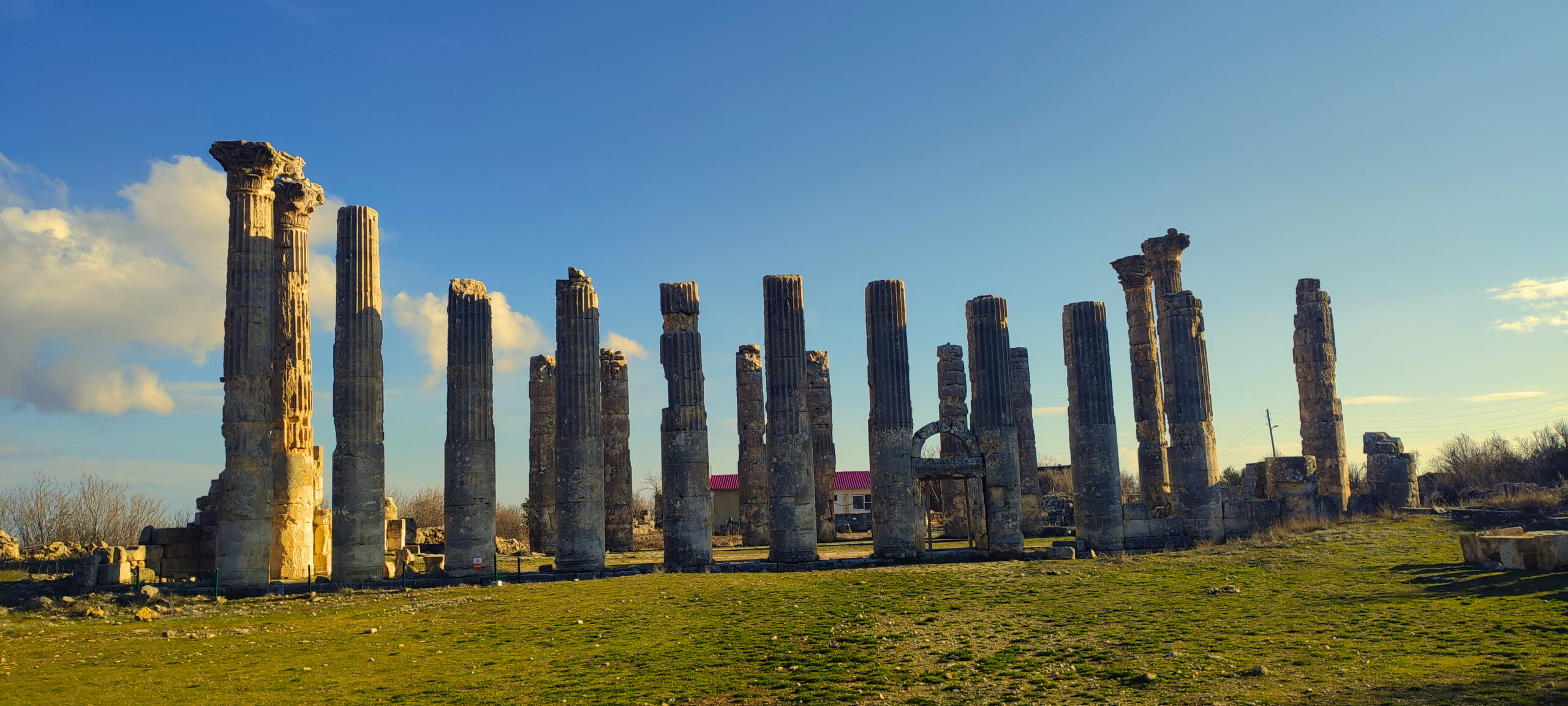
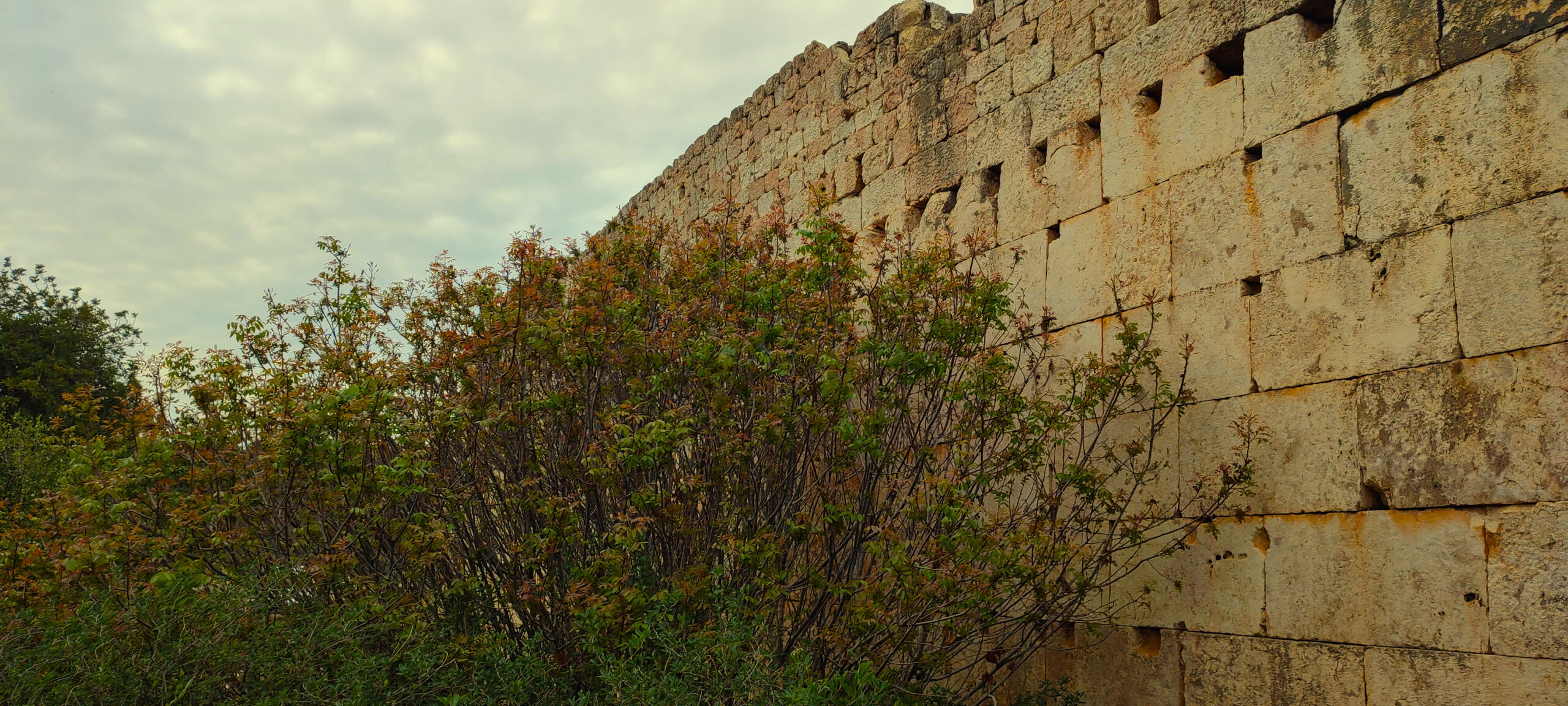
The colonnades stand in fragments, yet the geometry of the streets remains perfectly legible. Stone blocks are fitted so tightly that not even thin grass can slip between them. The paving slabs are polished by time, not by tourists’ feet.
The nymphaeum, the agora, the gates — all exist in a state of suspended time. Not as ruins, but as architecture placed on pause.
The strangest part is the necropolis. It does not oppress. It does not overwhelm. It seems to explain the city’s logic: here, death was understood in advance not as an exception, but as a permanent resident.
Seleukeia Lyrbe is not destroyed. It simply stopped participating.
Shadows at the Edge of Reason
Why do some cities shout while others remain silent?
Because those who shout fear being forgotten. And those who stay silent understand that oblivion is a form of protection.
Lyrbe is a city-ascetic. It does not accumulate glory, does not invest in legends, does not build a cult of its own significance. It seems to have refused, in advance, to participate in history’s vanity contest.
It is a city that knew: everything that loudly declares itself eventually becomes a target.
Empires go where there is brilliance. Catastrophes strike where there is density. Oblivion saves those who retreat into shadow.
Lyrbe is the architecture of strategic modesty.
There is no urge to dominate here. Only the desire to survive.
In this sense, Lyrbe is surprisingly modern. It thinks in categories of the twenty-first century: backup systems, redundant circuits, autonomy, distributed resilience. Only instead of servers — columns. Instead of data centers — a necropolis.
How Did We Get Here?
Reaching Seleukeia Lyrbe is part of the ritual.
The starting point is Manavgat or Side. Then by car or minibus. A climb into the mountains along secondary roads. Asphalt ends quickly. Dust, stone, forest, and the sense that GPS here operates on principles of artistic license begin.
The final kilometers are on foot.
No turnstiles. No tickets. Just you, your shadow, and the remains of a road laid two thousand years ago.
The best seasons are spring and autumn. In summer, the heat turns the ascent into a survival test; in winter, rains make the trail slippery and unpredictable.
Water, proper footwear, time, and readiness to find nothing — are mandatory. Lyrbe does not guarantee a meeting. It merely allows the possibility.
Echo in the Void
In Lyrbe, a strange sensation arises: as if you are not a guest, but an interference.
The city is not interested in you. It does not react. It does not confirm your existence. You move between columns like a computational error.
And suddenly comes the realization: to be found is a form of defeat.
All great cities have become tourist attractions. They have been dismantled into postcards, legends, guided tours, and refrigerator magnets. Their past has been turned into an interface.
Lyrbe avoided this.
It preserved not stone — it preserved intonation.
The intonation of silence, where history is not narrated, but present. The intonation of space that does not explain itself. The intonation of a city that refused to be convenient.
And perhaps that is why it still exists.
#VoiceOfRuins #DustOfAges #SeleukeiaLyrbe #Lyrbe #Pisidia #AncientCities #RuinsOfTurkey #Archaeology #History #ForgottenCities #AncientCivilizations #Geology #Necropolis #GhostCities #Turkey #Antalya #Manavgat #Travel #Oblivion #Memory #Decay #Eternity


Our Telegram-channel: Voice Of Ruins https://t.me/Voice_Of_Ruins
Our Instagram: Voice Of Ruins https://www.instagram.com/voiceofruins/
Our group on Facebook: Voice Of Ruins https://www.facebook.com/share/g/16aitn9utM/
Our site: Voice Of Ruins https://www.voiceofruins.org
More Points On The Map




Leave a Reply